How Long Should a Dog Exercise Daily: A Practical Guide

Table of Contents
Recommended Daily Exercise Duration for Dogs
How Much Exercise Does a Puppy Need
Daily Exercise for Dogs by Breed and Size
High-Energy Breeds
Low-Energy Breeds
How Long Should You Walk a Dog Each Day
Adult Dogs
Senior Dogs and Mobility Considerations
Signs of Overexercising a Dog and Injury Prevention
Warning Signs to Watch For
Heat, Cold, and Surface Safety
Recovery and Rest Days
Exercise Alternatives Beyond Walking
Creating a Realistic Daily Exercise Schedule
Frequently Asked Questions
Last Updated: October 13, 2026
Recommended Daily Exercise Duration for Dogs
Most dogs need to have dog exercise daily for 30 minutes to two hours, depending on age, breed, size, and health.
Think of daily exercise like a prescription: what works for a Golden Retriever won't work for a Chihuahua, and what works for a two-year-old dog won't work for a 12-year-old.
The right amount of daily exercise transforms a dog's behavior and health.
The key is consistency: dog exercise daily through regular movement matters far more than occasional intense activity. A dog that gets 45 minutes every day will be healthier and happier than one that gets two hours once a week.
Key Takeaway The ideal daily exercise duration is 30 minutes to two hours, depending on your dog's age, breed, size, and health status. Consistency matters more than intensity.
How Much Exercise Does a Puppy Need
Puppies need different exercise than adult dogs. A good rule of thumb is five minutes of exercise per month of age, twice daily: a three-month-old needs about 15 minutes twice a day, a six-month-old 30 minutes twice daily.
Puppies' bones and joints are still developing, and too much exercise too soon can cause permanent damage.
Short, frequent sessions work best: instead of one 30-minute walk, try three 10-minute sessions spread throughout the day to prevent boredom while protecting developing bodies.
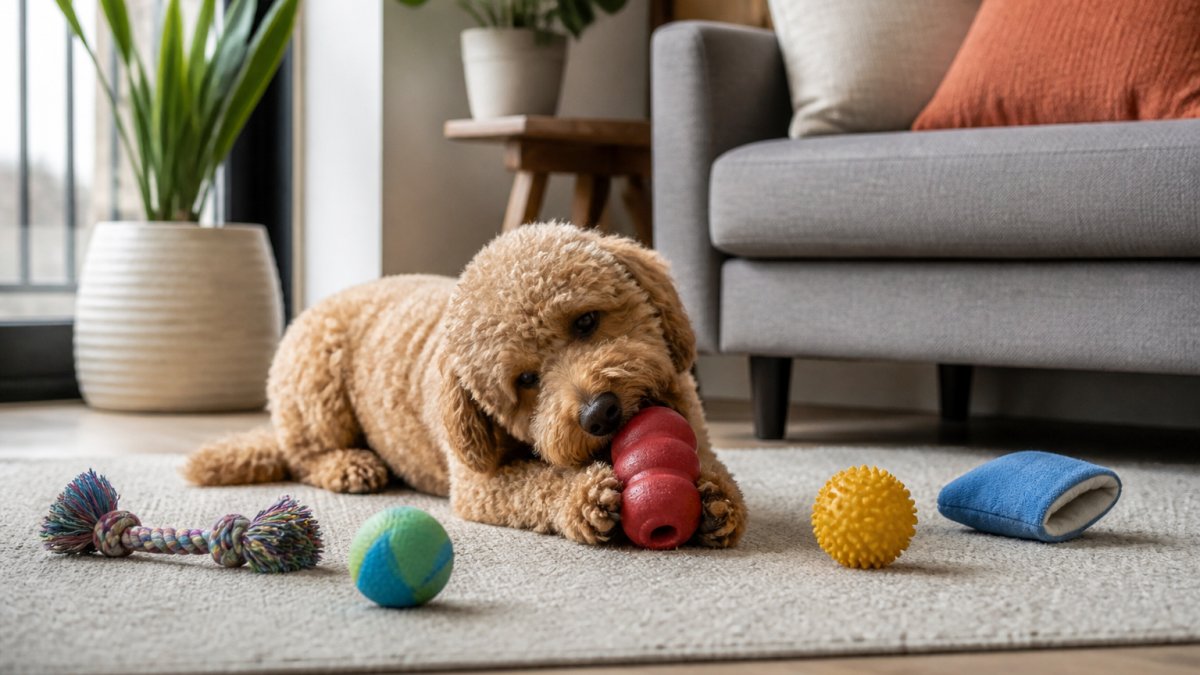
Mental exercise matters as much as physical activity for puppies. A 15-minute training session can tire out a puppy as much as a 15-minute walk. Puzzle toys, sniffing games, and training drills all count toward their daily activity needs.
Watch Out Avoid repetitive jumping, running on hard surfaces, or long-distance activities with puppies. These can cause joint problems that appear years later. Stick to short, varied sessions on soft ground when possible.
Daily Exercise for Dogs by Breed and Size
High-Energy Breeds
High-energy breeds, herding dogs, sporting breeds, and some terriers, were developed to work all day. Border Collies, Australian Shepherds, Labrador Retrievers, and Springer Spaniels need at least 60 to 90 minutes of daily exercise.
These dogs need activities that engage mind and body, not just a walk.
Under-exercising high-energy dogs is serious: bored dogs chew furniture, dig holes, bark excessively, or become anxious. What looks like a behavior problem is often just a dog telling you they need more activity.
If you have a high-energy breed and a busy schedule, professional help makes sense.
Low-Energy Breeds
Low-energy breeds like Bulldogs, Basset Hounds, and Shih Tzus often do well with 20 to 30 minutes of daily activity; some older or smaller ones need even less.
Don't mistake low-energy for no-energy. Even calm breeds need daily movement: a short walk and gentle play keep muscles strong, joints healthy, and prevent the obesity common in low-energy breeds.
Low-energy dogs suit apartment living or busy schedules, but still need consistency: a 20-minute walk every day beats a 45-minute walk once a week.
How Long Should You Walk a Dog Each Day
Adult Dogs
Adult dogs in their prime (roughly two to seven) have the most flexibility. Most do well with 30 to 60 minutes of daily walking; active breeds may need more, calm breeds less.
Pace matters too. A brisk walk where your dog moves at a steady pace and you're slightly out of breath is ideal, it raises your dog's heart rate and uses real energy.
Walking also provides mental stimulation: your dog sniffs, explores, and experiences the world.
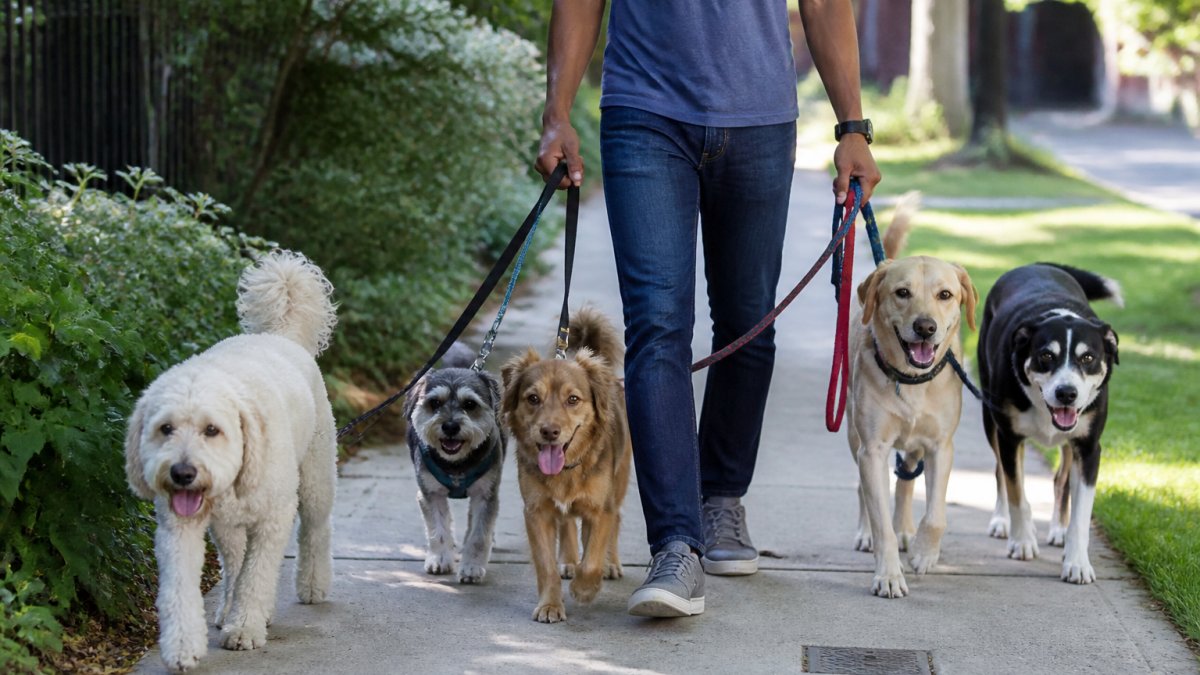
If your schedule is unpredictable, a professional dog walker can ensure consistent exercise even on your busiest days, preventing no-activity days that lead to behavioral issues.
Senior Dogs and Mobility Considerations
Senior dogs (typically seven and older) need less intense exercise.
Low-impact activity is crucial: short walks on soft surfaces like grass beat long walks on hard pavement, and swimming builds strength without stressing joints.
Watch for limping, reluctance to move, or difficulty getting up after rest, these suggest joint problems. Adjust activity accordingly: a shorter walk your dog enjoys beats a longer walk that causes pain.
Senior dogs still need consistency. Daily gentle movement maintains muscle mass and keeps joints flexible; even a 15-minute walk every day beats skipping exercise for days then doing a longer walk.
Pro Tip Senior dogs benefit from warmth and gentle stretching. A short warm-up walk before more active play helps prevent injury. Consider walking during warmer parts of the day if your dog struggles in cold weather.
Signs of Overexercising a Dog and Injury Prevention
Overexercise is easier to cause than most people realize, and the signs are easy to miss because dogs often mask discomfort until it becomes pain. Know what normal exertion looks like versus overexertion, and act before one hard day becomes a chronic problem.
Warning Signs to Watch For
A dog that is working hard but healthy will pant, slow briefly, then recover within a few minutes of stopping. A dog that is overexerting shows a different pattern:
Panting that continues 10 to 15 minutes after activity stops, or panting that sounds harsh rather than open-mouthed
Reluctance to rise after rest, stiffness on the first few steps, or a slow "warm-up" limp that fades as the dog moves
Lagging behind on a route the dog normally leads, or stopping and lying down mid-walk
Refusing to climb stairs, jump into the car, or take a familiar path
Pawing at the mouth, excessive drooling, or a brick-red gum color (a heat-stress signal)
Behavioral shifts: a normally friendly dog that snaps, growls, or hides after exercise is often in pain, not being stubborn
A common pattern is a dog that seems fine during activity and only shows stiffness the next morning. That delayed response is one of the most reliable signs that the previous day's session was too long or too intense.
Heat, Cold, and Surface Safety
Dogs cool themselves mainly by panting and through their paw pads, which makes them far less efficient at shedding heat than humans. That changes the math on warm days.
Asphalt and concrete can be 40 to 60 degrees hotter than the air temperature. A simple test: press the back of your hand to the pavement for five seconds. If it is too hot for your hand, it is too hot for paw pads.
Shift walks to early morning or after sunset when temperatures peak. Midday summer walks are the single most common cause of heat-related exercise injuries.
Brachycephalic breeds (Bulldogs, Pugs, Boston Terriers, French Bulldogs) overheat faster and should get shorter, slower sessions in warm weather regardless of their energy level.
In cold weather, short-haired and small breeds lose body heat quickly. Boots and a coat extend safe outdoor time, and ice-melt chemicals should be rinsed off paws after walks.
Hard pavement is tougher on joints than grass, dirt, or trails. Repetitive running or jumping on concrete accelerates wear, especially in puppies and seniors.
Recovery and Rest Days
Rest is part of the training plan, not a break from it. Muscle repair and joint recovery happen between sessions, not during them.
Build in one or two lighter days per week. A dog that gets 45 minutes five days a week and 15 to 20 minutes on two days will generally be healthier than one doing the same load every single day.
After an unusually long or intense session, follow with a shorter, gentler day rather than another hard one.
A short warm-up walk before active play and a cool-down walk after help prevent soft-tissue injury, particularly in senior dogs and dogs returning from a layoff.
If limping lasts more than 24 hours, worsens, or comes with swelling, stop activity and consult your veterinarian. Pushing through pain causes long-term damage that is far harder to reverse than a few days of rest.
Watch Out If your dog collapses, vomits, has bloody diarrhea, or shows brick-red or pale gums after exercise, treat it as an emergency and contact a veterinarian immediately. These can be signs of heatstroke or exertional collapse, which worsen quickly.
Pro Tip Keep a simple log of session length, route, and how your dog moved the next morning. Patterns show up fast, and they make it much easier to adjust before a minor issue becomes an injury.
Exercise Alternatives Beyond Walking
Mental exercise counts too. Training sessions, puzzle toys, and sniffing games tire out dogs just as much as physical activity. A 15-minute training session can be as exhausting as a 30-minute walk for some dogs.
Swimming is particularly valuable for dogs with joint problems or seniors: the water supports their weight, reducing joint stress while providing excellent exercise. If you have access to a dog-friendly pool or lake, it's ideal.
Tug-of-war, fetch, and chase games provide intense activity in short bursts, engaging your dog's prey drive and building strength, especially good for high-energy breeds.
Doggy daycare provides both physical and mental exercise, and playing with other dogs is more stimulating than walking alone. If your schedule is unpredictable or your dog needs more activity than you can provide, it's a solid option.
Creating a Realistic Daily Exercise Schedule
The best exercise routine is one you can maintain. An ambitious plan you abandon after two weeks is worse than a modest plan you stick with.

Start by assessing your dog's current activity level and your schedule. How much time can you realistically dedicate to walking or playing each day?
Dog Type | Daily Duration | Best Schedule | Notes |
High-energy adult | 60-90 minutes | Two 30-45 min walks + play | Consider midday walker |
Standard adult | 30-60 minutes | One 45-min walk + play | Flexible timing |
Low-energy adult | 20-30 minutes | One 20-30 min walk | Morning or evening |
Puppy (3-6 months) | 30 minutes total | Three 10-min sessions | Spread throughout day |
Senior dog | 20-30 minutes | One 20-30 min walk | Soft surfaces preferred |
Break exercise into manageable chunks: two 20-minute walks fit a busy day better than one 40-minute walk.
Consistency matters more than perfection. Your dog thrives on routine: the same walk times daily help regulate their bathroom schedule and provide predictability they crave.
If you can't provide all the exercise your dog needs, get help. At Bark West, we understand busy professionals need reliable backup, and we're available 24/7/365 to provide the exercise and socialization your dog needs, customized to their individual temperament and energy level.
Weather affects your routine: hot days mean shorter walks at cooler times, and cold or rainy days may too.
Track what works.
Frequently Asked Questions
How long should a dog exercise each day?
Most adult dogs need 30 minutes to two hours of daily exercise, depending on age, breed, size, and health status. High-energy breeds like Labrador Retrievers and Border Collies often require closer to two hours of physical activity, while low-energy breeds like Bulldogs may need just 30 minutes. The best approach is to observe your individual dog's fitness level and adjust intensity and duration accordingly. Consistency matters more than occasional long sessions.
What are signs that a dog has had too much exercise?
Overexertion in dogs shows up as excessive panting, reluctance to continue moving, limping or stiffness (especially after rest), vomiting, or behavioral changes like unusual aggression or withdrawal. Some dogs may collapse or show difficulty standing. If your dog displays these signs, reduce exercise intensity and duration immediately. Puppies are especially vulnerable to joint damage from overexertion, so monitor them closely during growth phases. When in doubt, consult your veterinarian.
How much exercise does a puppy need by age?
A practical rule is five minutes of exercise per month of age, twice daily. A three-month-old puppy would need about 15 minutes per session, twice daily. Avoid long walks or intense exercise until growth plates close (typically 12-18 months depending on breed). Short play sessions, gentle walks, and mental enrichment are safer than sustained aerobic activity. Large-breed puppies grow more slowly and need even gentler exercise to protect developing joints.
Do walks count as enough exercise for a dog?
Walks are valuable daily activity and provide mental enrichment, socialization, and fresh air, but they may not fully meet exercise needs for high-energy breeds. Many active dogs benefit from additional play, fetch, running, or training sessions beyond walking. Low-energy dogs often find daily walks sufficient. Combine consistent walks with play or other activities tailored to your dog's energy level and breed tendencies for balanced fitness and mental stimulation.
Getting your dog the right amount of daily exercise is one of the best investments you can make in their health and happiness. The right routine prevents behavioral problems, keeps your dog at a healthy weight, and strengthens your bond. If your schedule makes consistent exercise challenging, professional support helps. Contact Bark West to learn how our customized dog walking service fits into your routine and keeps your dog healthy, happy, and well-exercised every single day.
Contact

Comments