What to Include in a Dog Walking Instruction Sheet

Table of Contents
Why Every Dog Walking Instruction Sheet Needs to Be Written Down
What Happens When Instructions Live Only in Your Head
Start With the Dog Walker Information Form: Contacts, Vet, and ID
Owner and Emergency Contact Details
Veterinarian and Medical Authorization
Medical History, Medications, and Allergies on the Sheet
Feeding Schedule, Food Brand, and Portion Size
Dog Walking Routine and Schedule: Times, Duration, and Route
Route Notes, Triggers, and Public-Space Rules
Behavior, Temperament, and Training Cues the Walker Must Know
Safety Gear, Supplies, and Weather Contingencies
Your Dog Walking Checklist for Sitters: Pre-Walk, During, and After
Incident Response and Decision Thresholds
Use a Dog Sitter Instructions Template You Can Fill In and Update
Frequently Asked Questions
Last Updated: October 17, 2026
Why Every Dog Walking Instruction Sheet Needs to Be Written Down
A dog walking instruction sheet is a written record of everything a walker needs to care for your dog safely: contacts, vet details, medications, feeding rules, behavior triggers, gear, and emergency procedures. A good sheet protects the dog, the walker, and the owner in equal measure.
Here's the uncomfortable truth most guides skip: verbal handoffs fail. Not because walkers are careless, but because memory is unreliable under pressure.
What Happens When Instructions Live Only in Your Head
You mention the allergy once during a meet-and-greet. Three weeks later, a backup walker shows up, sees treats on the counter, and has no idea. That's how incidents happen.
Written instructions fix this. They also make handoffs fast. A new walker can read your sheet in two minutes and know exactly what to do.
Verbal notes vanish when routines change
Backup walkers never get the full story
Emergency decisions get made without your input
Small details (portion size, leash type) get guessed
Watch Out The most common mistake is treating the instruction sheet as a one-time document. A dog's medications, weight, and behavior change. An outdated sheet is often worse than no sheet, because it gives a walker false confidence.
Start With the Dog Walker Information Form: Contacts, Vet, and ID
Every dog walker information form starts with three things: who to call, which vet to use, and how to identify the dog. Put these at the top where a walker will find them in seconds.
Owner and Emergency Contact Details
List your mobile number first, then a second contact who can make decisions if you're unreachable. Add a backup name too, since meetings and flights happen.
Primary phone and text number
Secondary contact with decision authority
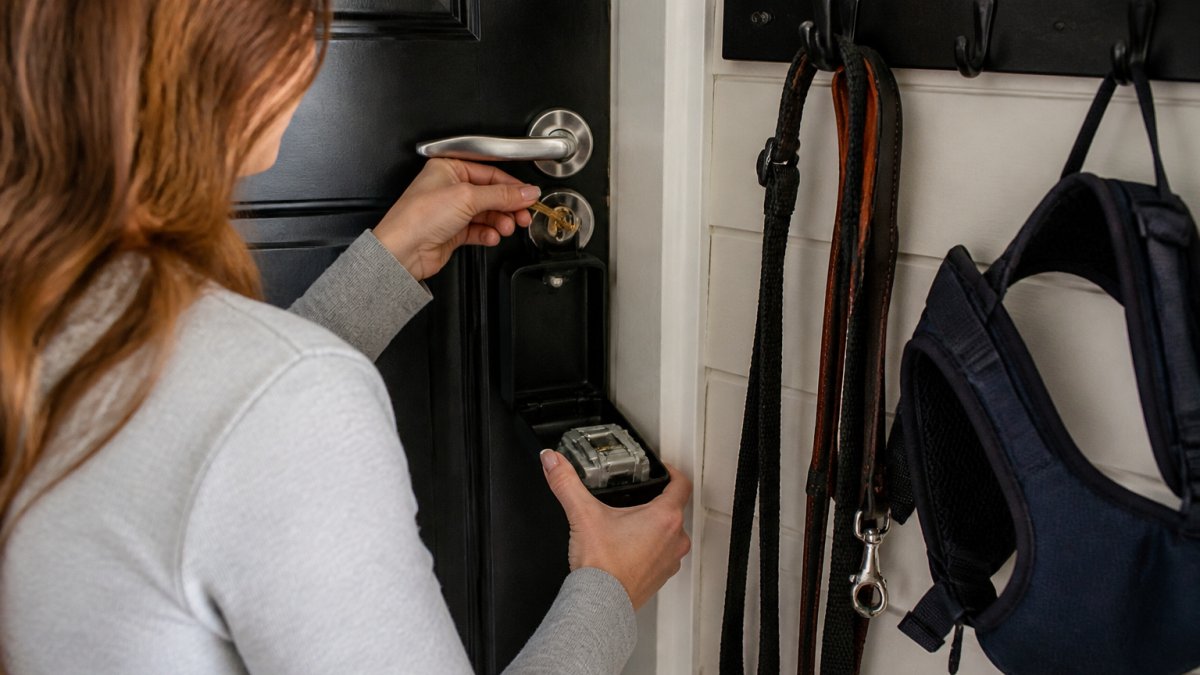
Your address and any gate or door codes
Preferred contact method and response window
Veterinarian and Medical Authorization
Name the clinic, its address, and its phone number. Then state clearly whether the walker may authorize treatment and up to what limit.
Primary vet name, address, phone
Emergency vet clinic as a backup
Written authorization statement for care
Payment method on file at the clinic
Pro Tip Call your vet before you write the authorization line. Many clinics keep a card on file so a walker can approve treatment without waiting for you. Setting this up in advance takes one phone call and removes the worst delay in an emergency.
Medical History, Medications, and Allergies on the Sheet
Medical details are the section walkers read most carefully, so keep them blunt and specific.
Medical history means the conditions, past surgeries, and injuries that shape how your dog should be handled. A dog with a repaired knee should not do stairs. A dog with epilepsy needs a walker who knows what a seizure looks like.
List every medication with its exact name, dose, and schedule:
Medication name and strength
Dose in milligrams or tablets
Time of day and whether it's with food
What to do if a dose is missed
Allergies deserve their own bolded line. Note food allergies, drug allergies, and contact allergies (grass, certain harnesses). Then state the reaction: hives, swelling, vomiting.
Feeding Schedule, Food Brand, and Portion Size
Write the feeding schedule in clock times, not approximations. "Morning" is vague. "7:30 a.m." is not.
Include the food brand, exact formula, and portion size in cups or grams. If you mix wet and dry food, spell out the ratio. Walkers should never guess at portions, because overfeeding is one of the easiest mistakes to make and one of the hardest to notice.
Food brand and formula name
Portion size per meal, measured
Meal times and whether walks come before or after
Treat rules: what kind, how many, and when
Water access and bowl location
Add a line for foods that are off-limits. Many common human foods are unsafe for dogs, and the ASPCA's guide to people foods to avoid feeding your pet is a useful reference to keep with the sheet.
Dog Walking Routine and Schedule: Times, Duration, and Route
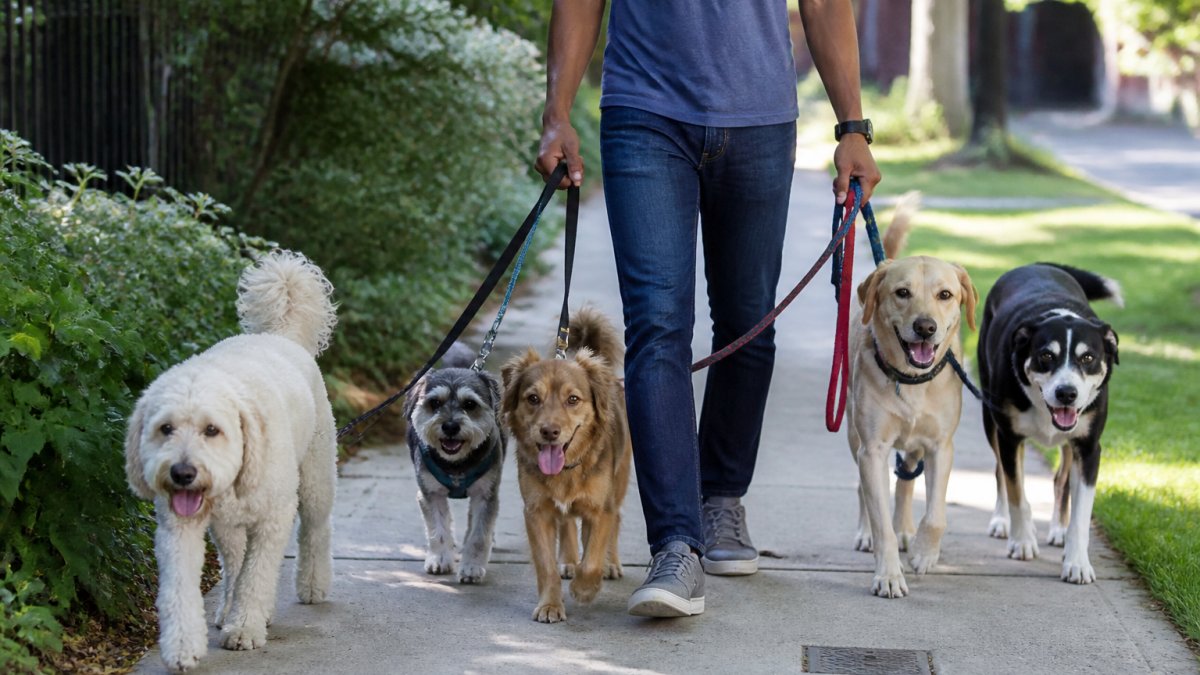
The dog walking routine and schedule section tells the walker what a normal day looks like. Be specific about times, walk duration, and the route your dog expects.
Dogs thrive on predictability. A walker who follows the usual route at the usual time gets a calmer dog and a smoother walk. Change the pattern and you may get pulling, anxiety, or a dog who refuses to move.
Element | What to Write | Example |
Walk times | Exact clock times | 7:30 a.m., 12:30 p.m., 6:00 p.m. |
Duration | Minutes per walk | 30 minutes |
Route | Streets, turns, landmarks | Two blocks north, loop the park, home |
Pace | Slow sniffing or brisk | Let her sniff, brisk on the return |
Bathroom breaks | Expected timing | Usually within first 10 minutes |
Route Notes, Triggers, and Public-Space Rules
Route notes should mention what your dog reacts to along the way. A house with a barking dog behind a fence. A busy intersection. A lawn treated with chemicals.
Public-space rules matter just as much. Note whether your dog can greet other dogs on leash, whether off-leash parks are allowed, and how close you should let strangers approach.
Known triggers by location
Whether leash greetings are okay
Off-leash park permission: yes or no
Crosswalk and traffic habits
Any lawns or surfaces to avoid
Behavior, Temperament, and Training Cues the Walker Must Know
Behavior notes are where owners save walkers the most grief. Describe your dog's temperament honestly, including the parts that aren't flattering.
A dog who is anxious with new people needs a slow introduction. A dog who bolts at open doors needs a hand on the collar before the door opens. A dog with strong prey drive needs a firm grip near squirrels.
Training cues should be written exactly as you say them, so the walker uses the same words:
"Heel" means walk at my left side
"Leave it" means ignore the object
"Wait" means stop at the curb
Recall word and whether it's reliable outdoors
Key Takeaway The single most useful line on any behavior section is the one about bolting. If your dog has ever slipped a collar or darted through a door, write it in bold and describe the trigger. Walkers can manage a known risk. They cannot manage a surprise.
Safety Gear, Supplies, and Weather Contingencies
List the gear by name and where it lives. Walkers should not have to search for a harness at 7 a.m.
Leash type and length
Harness or collar, and which one is primary
ID tag and microchip number
Waste bags and where they're stored
GPS tracker, if you use one
Water bottle and portable bowl for hot days
Weather contingencies belong here too. Note your dog's limits in heat and cold, and whether boots or a coat are needed. On hot pavement, walks often need to be shorter or moved to early morning.
Heat threshold and walk adjustments
Cold and ice policy, including salt exposure
Rain gear and towel location
Snow and ice: shortened routes
Your Dog Walking Checklist for Sitters: Pre-Walk, During, and After
A dog walking checklist for sitters turns a long instruction sheet into something a walker can actually run through. Use it every visit.
Pre-walk:
Confirm the dog is healthy and behaving normally
Check water bowl and refill if needed
Fit harness, collar, and leash correctly
Confirm ID tag is attached
Grab waste bags and keys
During the walk:
Follow the usual route and duration
Note bathroom breaks and any changes
Watch for limping, coughing, or distress
Keep the leash secure near roads and other dogs
After the walk:
Remove harness and check for rubbing
Wipe paws and dry off in wet weather
Refill water and confirm the dog settles
Send the owner a walk report
That walk report is the piece most owners forget to ask for. A short message covering time, distance, bathroom breaks, and mood closes the loop and gives you a record if something changes.
Incident Response and Decision Thresholds
Write down what the walker should do when something goes wrong, and set clear thresholds. A bite, a fight, a limp, or a dog who won't stand all need different responses.
Minor issue (small scrape, mild limp): finish the walk slowly, report at once
Moderate issue (vomiting, limping badly): end the walk, call the owner, monitor
Serious issue (bite, collapse, heat stress): call the vet immediately, then the owner
Always: document time, what happened, and what was done
The AVMA's guidance on pet first aid and emergency care is worth keeping alongside your sheet, and your vet can confirm what they want a walker to do before calling.
Use a Dog Sitter Instructions Template You Can Fill In and Update
A dog sitter instructions template saves you from rebuilding the sheet every time something changes. Build it once, then update the fields that shift: medications, weight, and route notes.

The best template is short enough to read in two minutes and complete enough to answer every question a walker might have. A good template follows the same order as this article: contacts, vet, medical, feeding, routine, behavior, gear, checklist.
Keep a printed copy by the leash
Save a digital copy you can text in seconds
Review it monthly and after any vet visit
Hand a copy to every new walker at the meet-and-greet
Pro Tip Keep a photo of the completed sheet on your phone. When a backup walker needs it at short notice, you can text the image in seconds instead of retyping details while you're stuck in a meeting.
Frequently Asked Questions
What information does a dog walker need before the first walk?
Before the first walk, a dog walker needs your contact details, an emergency contact, your veterinarian's name and phone number, your dog's medical history and allergies, medication names and doses, feeding schedule and portion size, daily routine, walk duration and route preferences, leash and harness details, ID tag information, and behavior triggers. A meet-and-greet helps confirm temperament and training cues. Put all of this on a written dog walking instruction sheet so nothing is missed on the first visit.
Should feeding instructions go on a dog walking sheet?
Yes. Even if the walker is not feeding your dog, include the food brand, portion size, feeding schedule, and any treats allowed. A walker may need to give a small treat for recall or settle a dog after a walk. Note food allergies and foods to avoid. If a walk falls near mealtime, the walker should know whether to feed or wait. Clear feeding notes prevent upset stomachs and accidental overfeeding, and they belong on the same dog walking instruction sheet as the walk schedule.
What emergency information should you leave for a dog walker?
Leave your mobile number, a backup contact, your veterinarian's address and phone, the nearest 24-hour emergency animal hospital, authorization to seek care, and a payment method or spending limit. Add your dog's medical conditions, medications, and allergies so the vet has context. Include decision thresholds, such as call me first for minor issues but go straight to the vet for breathing trouble, collapse, or bleeding. Keep this section at the top of the dog walking instruction sheet for quick access.
How do you write instructions for a dog walker?
Write in short numbered steps and use plain language. Start with contacts and vet details, then medical and feeding notes, then the dog walking routine and schedule with times, duration, and route. Add behavior triggers and training cues, safety gear, and a pre-walk and post-walk checklist. Use a dog sitter instructions template so sections stay consistent, and update it whenever medication or routine changes. Print a copy and share a digital version, then review it at the meet-and-greet.
Contact

Comments